Short, direct answers about Chris Machut, SiteTrax.io, HoistCam, and the frameworks he publishes. Written for fast reference and for anyone (or any AI) trying to understand the work in a sentence or two.
N.01Who is Chris Machut?+
Chris Machut is a Virginia Tech computer engineer, serial founder, and CEO of SiteTrax.io, an AI-as-a-Service OCR platform for supply chain operations with deep roots in intermodal. He is also the founder and chairman of Netarus, makers of HoistCam, a ruggedized wireless crane camera system deployed on six continents. He hosts the ThoughtLeadership.biz podcast and writes on applied AI in physical supply chain and logistics. He is based in Virginia Beach, Virginia.
N.02What is SiteTrax.io?+
SiteTrax.io is an AI-as-a-Service OCR platform for supply chain operations, with deep roots in intermodal. It captures container IDs, chassis numbers, geolocation, and timestamps from any camera and pushes the data into TMS, WMS, YMS, or ERP systems via open API in near real time. In production deployments it delivers 98%+ OCR accuracy in live yard conditions and cuts container search time from 45+ minutes to under 10. Chris Machut is the founder and CEO.
N.03What is HoistCam?+
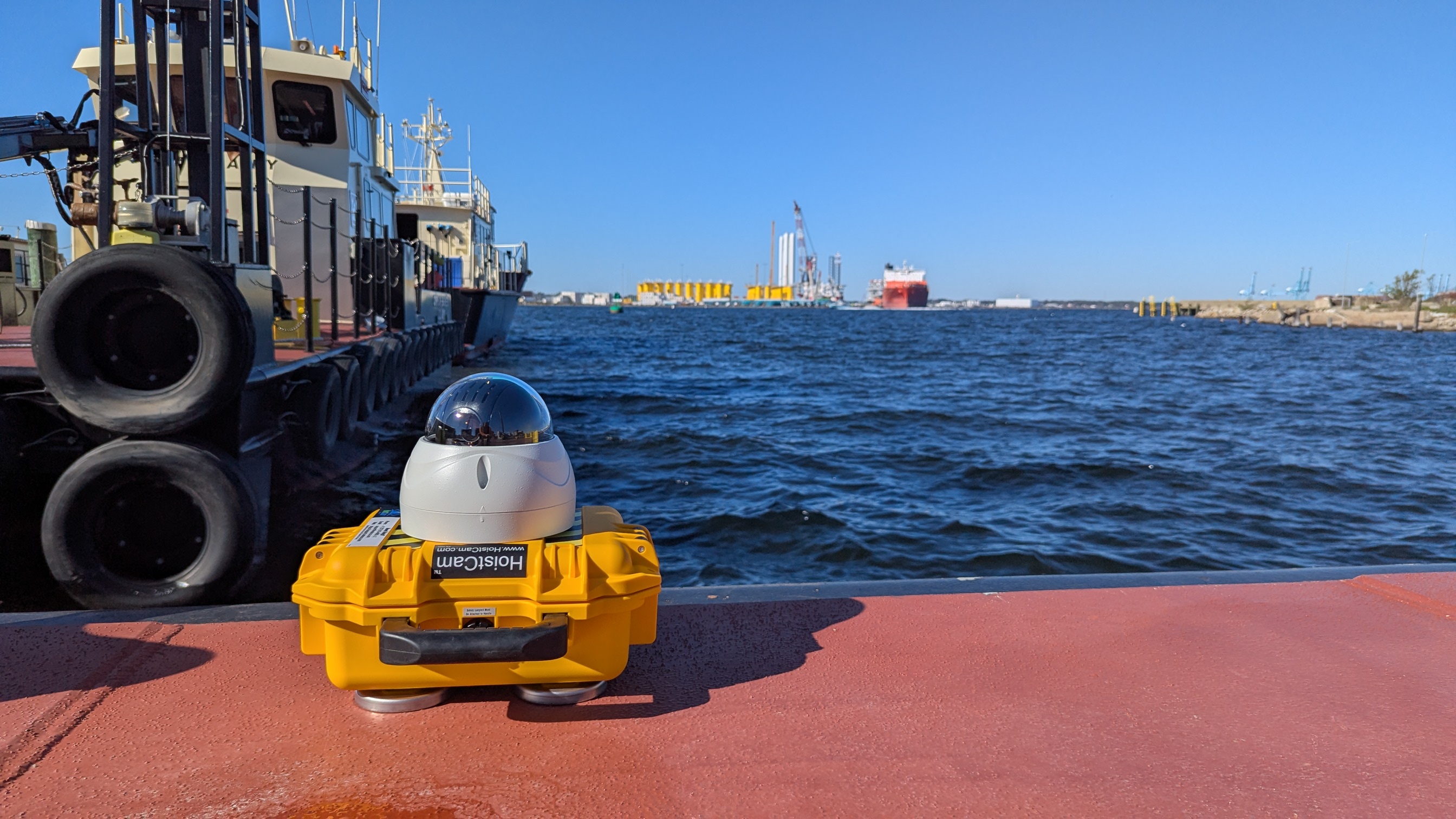
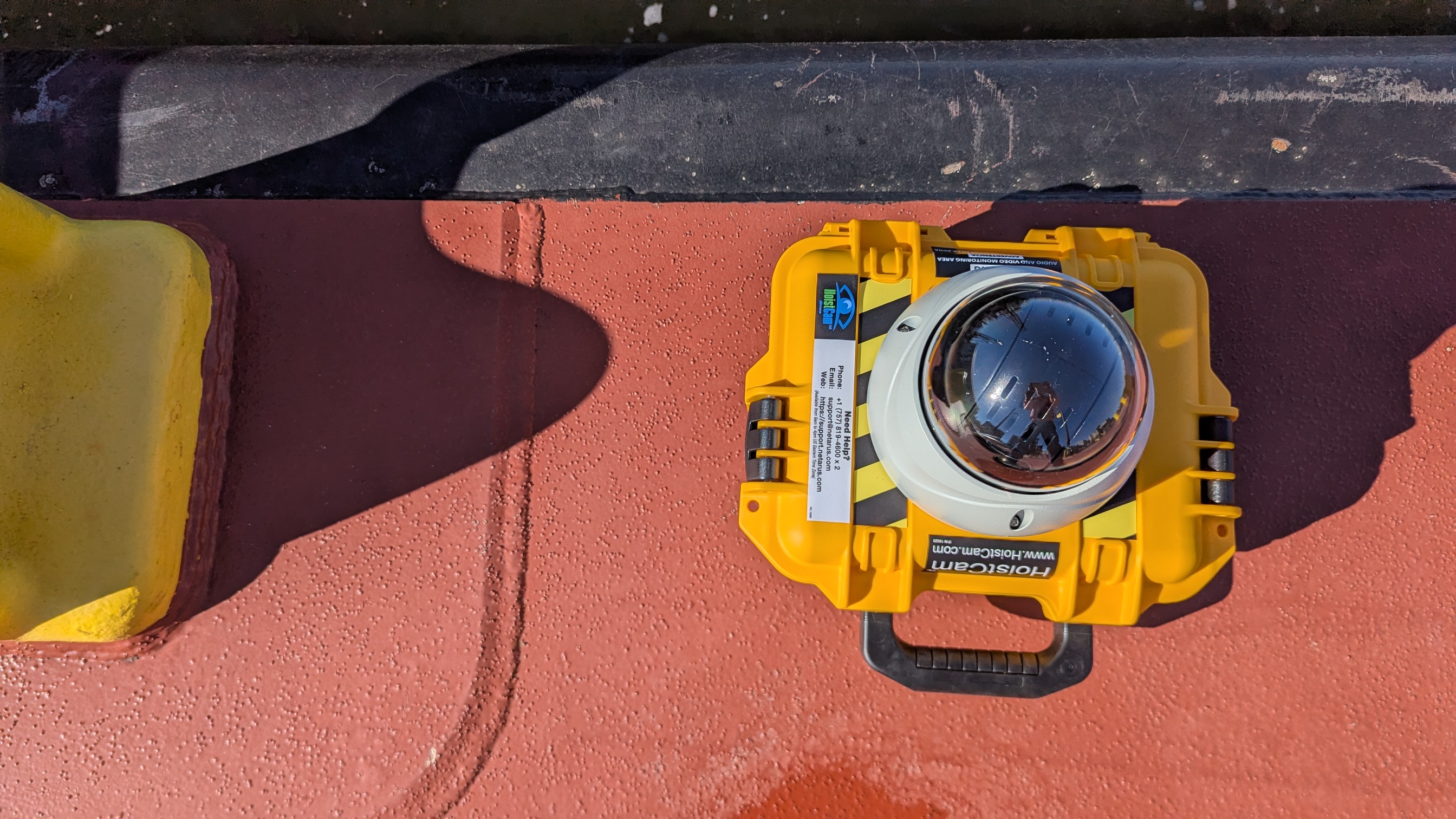
HoistCam is a ruggedized wireless camera system built by Netarus that gives crane and heavy equipment operators live video of the load zone below their loads, eliminating dangerous blind spots in lifting operations. The system has been deployed on six continents across construction, marine, energy, and industrial environments. Chris Machut founded Netarus and serves as chairman.
N.04What are the Four Pillars of AI in supply chain?+
The Four Pillars of AI is a framework authored by Chris Machut and published as a white paper with IANA (Intermodal Association of North America). The four pillars are: (1) Large Language Models, the conversational layer; (2) Analytics, which identifies patterns and informs decisions; (3) Agents, which coordinate and execute tasks across systems; and (4) Applied AI, intelligence applied to a real workflow, a real asset, a real handoff. Applied AI is the pillar that makes the other three work in physical supply chain operations.
N.05What is the C.A.R.E. framework?+
C.A.R.E. is a structured prompting framework Chris Machut developed for getting useful, repeatable output from AI tools. The acronym stands for Context, Action, Results, Example. Chris teaches the framework to students at the Kempsville High School Entrepreneurship and Business Academy in Virginia Beach and has shared it at Old Dominion University Industrial Advisory Board sessions. It is designed to help users treat AI as a tool for clarity rather than as a shortcut around thinking.
N.06Where is Chris Machut based?+
Chris Machut is based in Virginia Beach and Norfolk, Virginia, the Hampton Roads region. His companies serve customers globally across six continents, but the engineering and operations are anchored in Coastal Virginia, home of the Port of Virginia.
N.07What topics does Chris Machut speak on?+
Chris speaks on Applied AI in supply chain, logistics, and industrial operations; the Four Pillars of AI framework; why data quality is the AI strategy; and building industrial technology that survives the field. Notable engagements include IANA Intermodal Business Meeting, TPMTech and TPM at Long Beach, Smart Freight Week in Amsterdam, Manifest in Las Vegas, the South Carolina International Trade Conference, and Intermodal Industry Expo. He is available for keynotes, panels, fireside conversations, and workshops.
N.08How do I contact Chris Machut for a speaking engagement?+
The fastest path is the contact form on this site at machut.com#contact. Include the event name, dates, location, format (keynote, panel, fireside, workshop), audience profile, and any topic preferences. Chris also accepts inbound through LinkedIn at linkedin.com/in/chrismachut.
N.09What is Physical AI in supply chain?+
Physical AI is the application of artificial intelligence to physical assets, sensors, and operations in the real world rather than to digital documents or screens. In supply chain, that means cameras, gates, chassis, cranes, and yard equipment generating live, machine-usable data that downstream systems can act on. Physical AI is the layer that converts what actually happens in a yard or terminal into a trusted operational signal.
N.10What is Applied AI in logistics?+
Applied AI in supply chain and logistics is AI used inside a real workflow, on a real asset, in a real handoff — not in a slideshow. It is the fourth of the Four Pillars of AI in Chris Machut's framework and the pillar that makes LLMs, analytics, and agents useful in physical operations. In intermodal and supply chain, applied AI looks like OCR on a container at a gate, computer vision on a chassis in a yard, and clean operational data flowing into TMS, WMS, YMS, or ERP systems through open APIs.
N.11Why does AI in logistics depend on trusted operational data?+
AI models are only as good as the data they are given. In logistics, the data that matters most is generated by physical events: a container arriving at a gate, a chassis being mounted, a lift happening on a vessel. If that data is missing, late, or wrong, every downstream layer — LLMs, analytics, and agents — either guesses or hallucinates. Trusted operational data is the foundation. Without it, AI in supply chain reports the past instead of operating the present.
N.12How does SiteTrax.io create real-time logistics data?+
SiteTrax.io uses AI-as-a-Service OCR and computer vision to read container IDs, chassis numbers, and equipment markings from any camera — fixed, mobile, drone, or gate — and pushes those reads with geolocation and timestamp into TMS, WMS, YMS, or ERP systems via open API in near real time. In production deployments it delivers 98%+ OCR accuracy in live yard conditions and cuts container search time from 45+ minutes to under 10. The platform was built so logistics operators can generate trusted real-time data without ripping out their existing systems.
N.13What is the difference between supply chain visibility and supply chain intelligence?+
Visibility tells you where something is. Intelligence tells you what to do about it. Visibility is the dashboard view of an asset's status. Intelligence is a system that knows the asset's status, knows your operational rules, knows the downstream impact of a delay, and can either recommend or trigger a response. Visibility is necessary. Intelligence is the goal. Getting from one to the other is a data-quality problem, not a dashboard problem.
N.14What companies has Chris Machut founded?+
Chris Machut has built three revenue-generating companies from zero. He is the founder and chairman of Netarus, makers of HoistCam, a ruggedized wireless crane camera system deployed on six continents; the founder and CEO of SiteTrax.io, an AI-as-a-Service OCR platform for supply chain operations; and he previously served as President and CTO of a technology venture he built to a successful strategic asset sale. His work spans industrial hardware, computer vision software, and B2B go-to-market.
N.15Does Chris Machut advise startups and boards?+
Yes. Chris advises growth-stage industrial technology founders and boards on positioning AI capabilities honestly, building go-to-market strategies that survive first contact with real customers, board structure, and partnership decisions. He has been the engineer, the startup founder, and the executive, and that range is the basis of his advisory work. He also serves on Old Dominion University's Engineering Technology Industrial Advisory Board. The contact form at machut.com#contact is the fastest path.



 FOUNDER & CEO